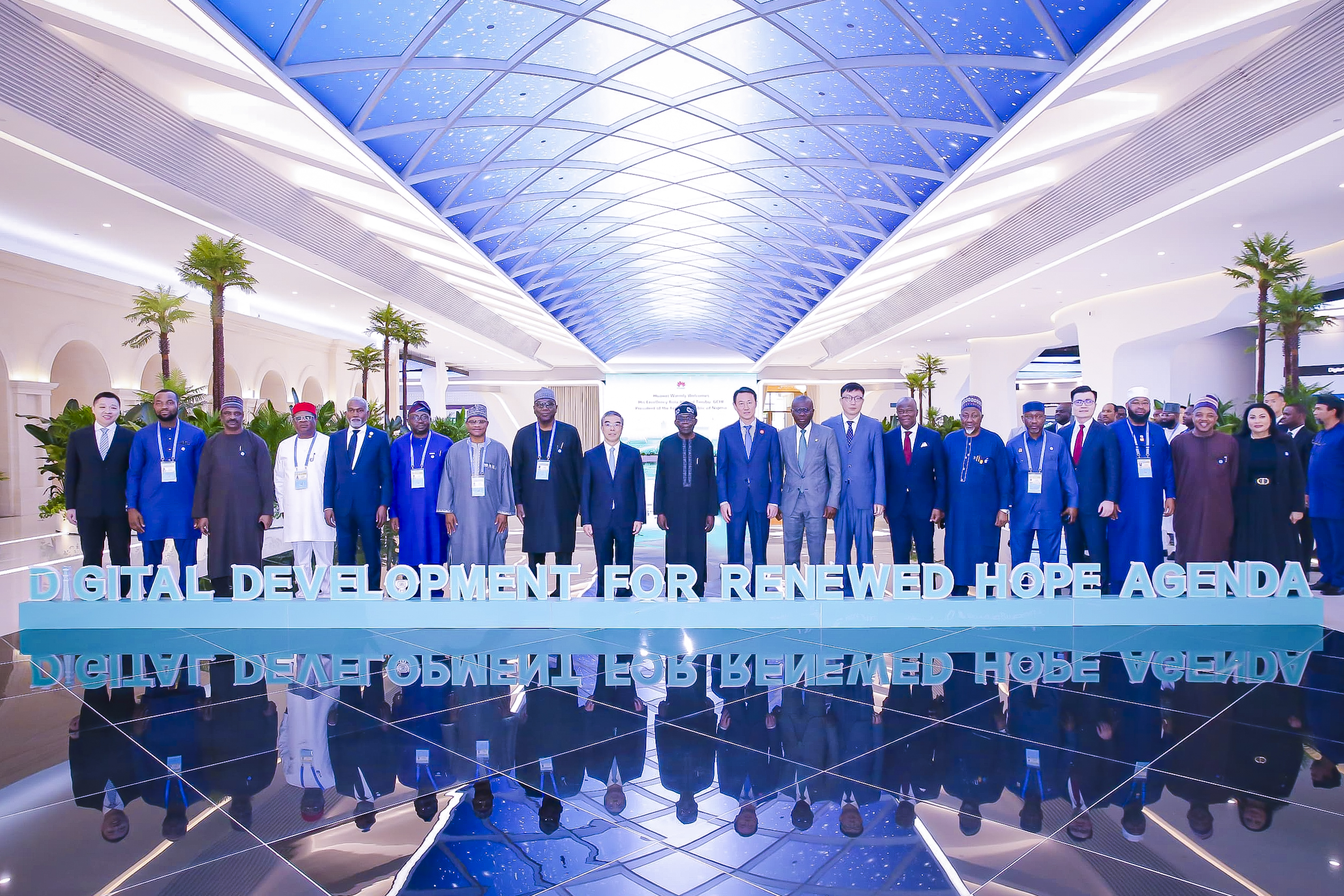

Nigeria’s 4D Foreign Policy, introduced by President Bola Ahmed Tinubu and operationalized by the Ministry of Foreign Affairs, is a strategic framework built on four pillars: Demography, Development, Diaspora, and Democracy.
This doctrine redefines Nigeria’s role on the global stage, shifting from reactive diplomacy to proactive engagement, and positions Nigeria to lead regional cooperation, economic transformation, and peace building in Africa and beyond.


Harnessing Nigeria's Population as Diplomatic Capital
Nigeria's vast population of over 213 million is Africa's largest and among the world's fastest-growing. With over 60% under 30, this youthful population is both a powerful workforce and a global market. Through its foreign policy, Nigeria seeks to turn this demographic advantage into a strategic resource for economic growth, manpower export, global influence, and citizen welfare.
Download Brochure


Nigeria's foreign policy is provided by the 1999 Constitution (Chapter 2, Section 19).
Under President Tinubu's 4D Doctrine, each constitutional objective finds new life through the pillars of Demography, Development, Diaspora, and Democracy.
Promotion and protection of the national interest
Promotion of African integration and support for African unity
Promotion of international cooperation for the consolidation of universal peace, mutual respect among all nations, and elimination of discrimination
Respect for international law and treaty obligations, and the settlement of international disputes by negotiation, mediation, conciliation, arbitration, and adjudication
Promotion of a just world economic order